Serengeti & Ngorongoro Safari Guide
Plan Tanzania’s classic Northern Circuit with Serengeti National Park, Ngorongoro Crater, Great Migration routes, Big Five wildlife, lodge choices, private guiding and Zanzibar extensions.
Why Combine Serengeti and Ngorongoro?
Serengeti and Ngorongoro are the heart of Tanzania’s Northern Circuit, combining vast migration plains with one of Africa’s most wildlife-rich crater landscapes.
Serengeti National Park
Best for vast plains, big cats, migration movement, luxury tented camps and multi-day safari depth.
Ngorongoro Crater
Best for compact wildlife density, dramatic scenery and a strong chance of seeing Big Five wildlife.
Zanzibar Extension
End the route with Zanzibar for beaches, Stone Town, spice tours and Indian Ocean relaxation after safari.
Serengeti vs Ngorongoro Crater
These two Tanzania icons offer very different safari experiences, which is why combining them creates such a strong itinerary.
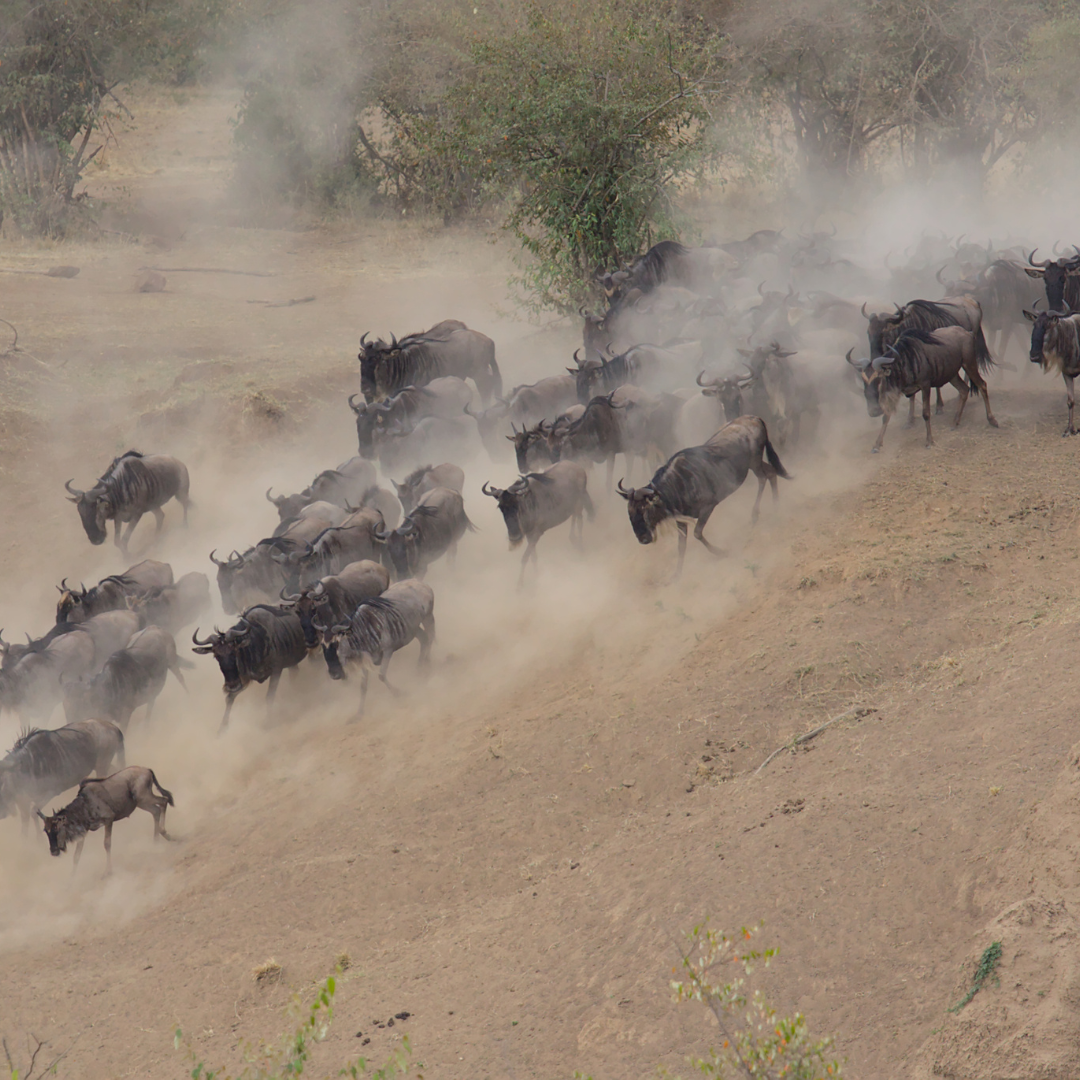
Serengeti National Park
The Serengeti is known for vast landscapes, lions, cheetahs, leopards, the Great Migration and classic East Africa safari scenery.
View Serengeti Guide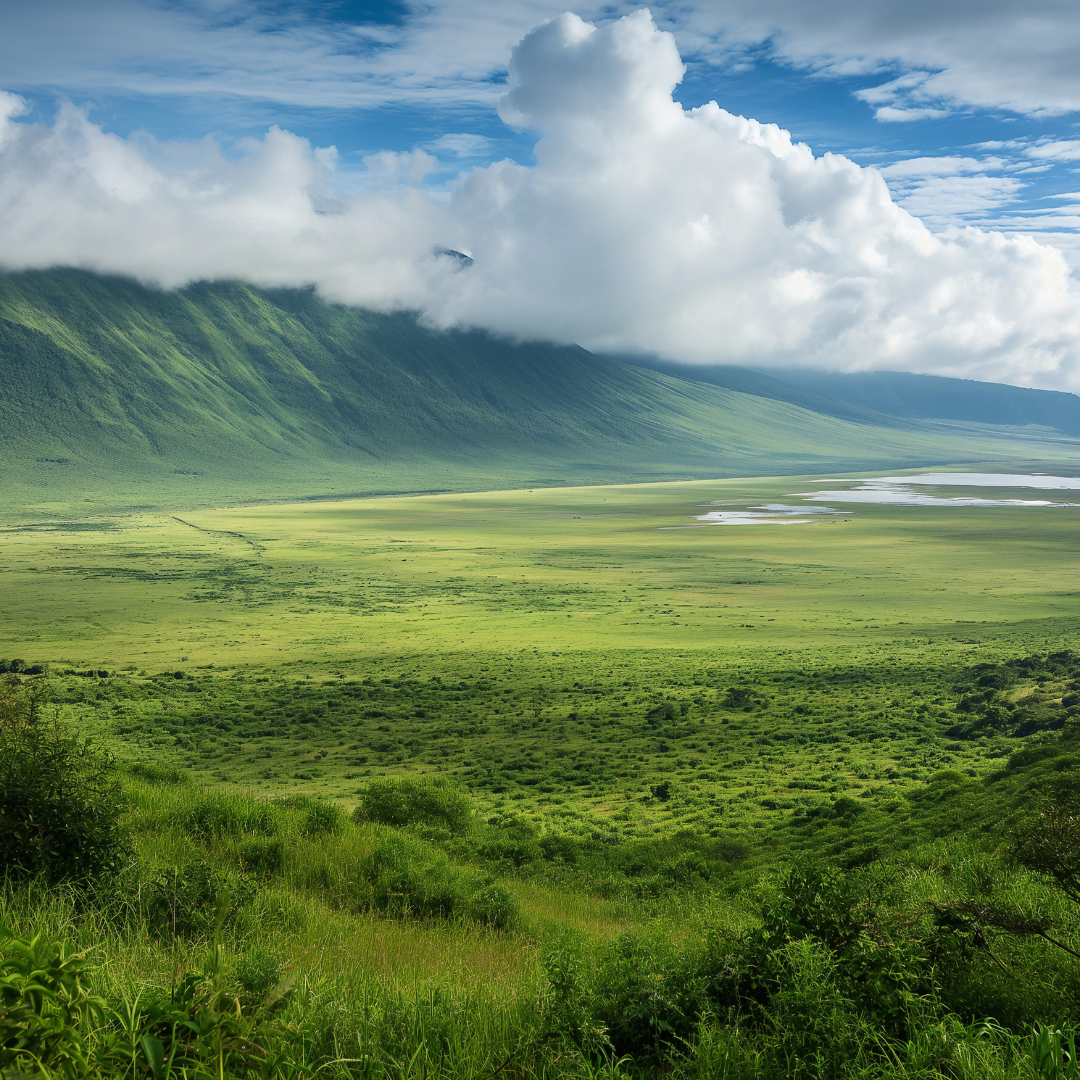
Ngorongoro Crater
Ngorongoro Crater is a compact volcanic caldera with high wildlife density, black rhino potential and dramatic crater-rim scenery.
View Tanzania SafarisHow Many Days Do You Need?
A strong Serengeti and Ngorongoro safari should not feel rushed. The route works best when you allow enough time for crater wildlife, Serengeti game drives and travel between regions.
5 Days Minimum
Best for travellers who want a compact Tanzania safari with Ngorongoro Crater and a short Serengeti experience.
6 to 7 Days
A stronger pace for most travellers, giving more time in the Serengeti and a better chance of varied wildlife sightings.
8+ Days
Ideal for migration-focused safaris, photographers, luxury travellers and guests wanting a slower Northern Circuit route.
Add Zanzibar
Add Zanzibar after safari for a relaxed Indian Ocean ending.
Great Migration Timing for This Route
The Serengeti and Ngorongoro route can work year-round, but your Serengeti region should match your travel month.
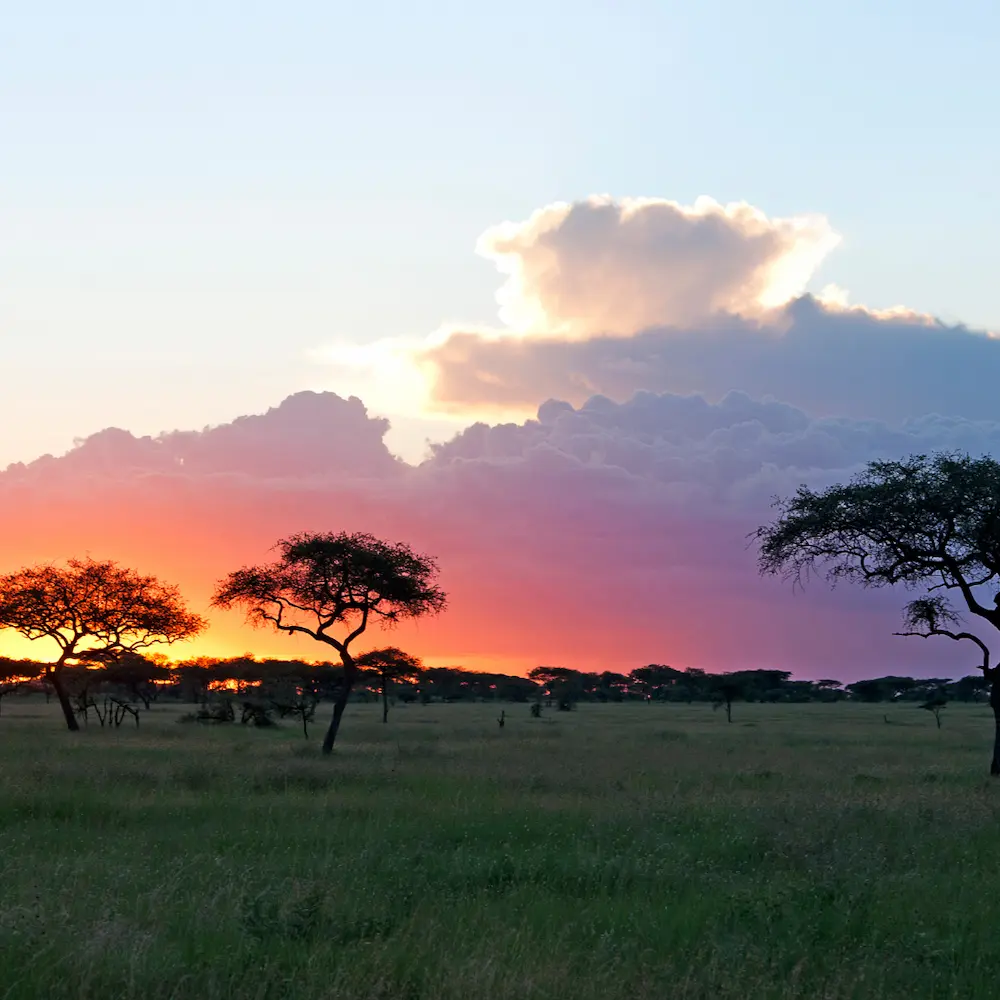
Southern Serengeti & Ndutu
Best for calving season, newborn wildebeest, green-season scenery and strong predator activity.
Migration Guide
Central Serengeti
Excellent for predators, resident wildlife, Seronera Valley and first-time Tanzania safari planning.
Serengeti Guide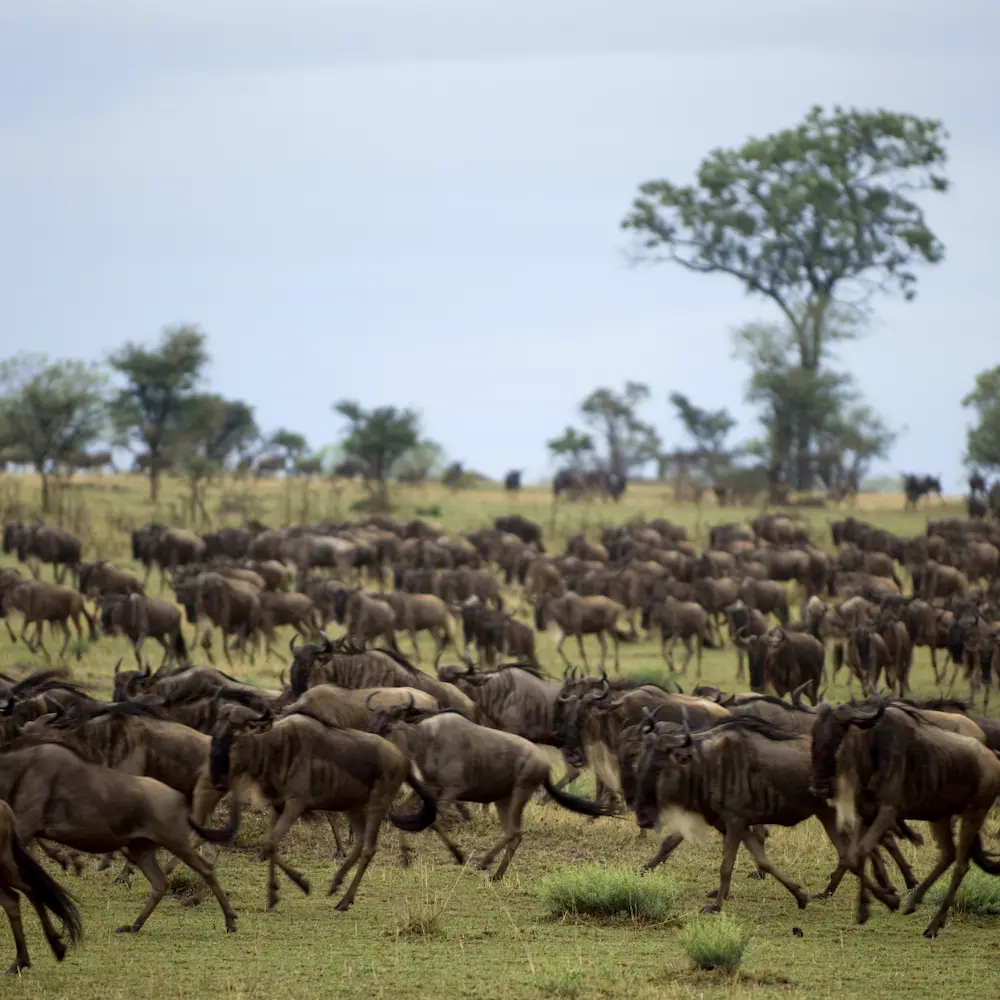
Northern Serengeti
Best for travellers hoping to see Mara River crossing season and remote migration landscapes.
Best Time GuideNgorongoro Crater Safari Highlights
Ngorongoro Crater gives the Northern Circuit a very different wildlife experience from the Serengeti’s wide-open plains.
High Wildlife Density
Because the crater is compact, travellers often see a wide range of wildlife in a shorter safari window.
Black Rhino Potential
Ngorongoro is one of Tanzania’s stronger areas for travellers hoping to see black rhino.
Crater Floor Safari
A full-day crater safari is often included before or after the Serengeti section of the route.
Karatu & Crater Rim
Travellers can stay near Karatu or on the crater rim depending on budget, comfort level and routing.
Planning Tips for Serengeti & Ngorongoro
Small planning choices can make a big difference to the comfort, pacing and value of your Tanzania safari.
Do Not Rush the Serengeti
The Serengeti is vast. Try to spend at least three nights in or near the park when possible, especially for migration-focused trips.
Match Camp Location to Season
Ndutu, Central Serengeti and Northern Serengeti all work best at different times of year depending on migration movement.
Choose Private Guiding for Flexibility
A private vehicle gives more freedom with game drive timing, photography stops and the pace of your safari day.
Balance Lodges and Tented Camps
Use comfortable lodges around Karatu or Ngorongoro, then choose tented camps inside the Serengeti for a more immersive safari feel.
Serengeti & Ngorongoro Combination Ideas
This route can stand alone as a Tanzania safari or connect with Zanzibar, Kenya, Uganda and wider Africa packages.
Tanzania Northern Circuit
Start with Tanzania safaris, then build around Serengeti, Ngorongoro, Tarangire and Lake Manyara.
Serengeti + Zanzibar
Add Zanzibar beach holidays after the Northern Circuit for a safari and beach itinerary.
Kenya + Tanzania
Combine Kenya safaris with Serengeti and Ngorongoro for a powerful East Africa route.
Tanzania + Uganda
Add Uganda gorilla trekking for a primate and savannah safari combination.
Serengeti & Ngorongoro FAQ
Quick answers for travellers planning Tanzania Northern Circuit safaris.
What is the difference between Serengeti and Ngorongoro?
The Serengeti is a vast wilderness known for migration movement and big cats. Ngorongoro is a compact crater with high wildlife density and strong Big Five potential.
How many days do I need?
Five to seven days is a strong minimum for Serengeti and Ngorongoro together. More days allow better Serengeti pacing and optional Zanzibar time.
Can I see the Great Migration on this route?
Yes, but your Serengeti region should match your travel month. Ndutu, Central Serengeti and Northern Serengeti each suit different seasons.
Can I combine this safari with Zanzibar?
Yes. Serengeti, Ngorongoro and Zanzibar is one of Tanzania’s strongest safari and beach combinations.
Plan a Serengeti and Ngorongoro Safari With Tanzania Extensions
A Serengeti and Ngorongoro safari is one of the strongest ways to experience Tanzania safaris. The route combines Serengeti migration movement, Ngorongoro Crater wildlife, best time to visit Serengeti planning and optional Zanzibar beach holidays.
This route also connects naturally with Serengeti Safari Guide, Serengeti Migration, Kenya safaris, Uganda gorilla safaris, East Africa safaris and wider African safari packages.