Kenya Safari Travel Guide
Learn everything about planning a Kenya safari including the Maasai Mara, Great Migration, Amboseli, safari costs, luxury lodges, family safaris and East Africa travel advice.
Why Kenya Is One of Africa’s Best Safari Destinations
Kenya remains one of the most iconic safari destinations in Africa with world-famous wildlife, dramatic landscapes, luxury camps and classic safari experiences.
Great Migration
Kenya’s Maasai Mara is one of the best places in the world to witness the Great Wildebeest Migration and dramatic river crossings.
Classic Safari Landscapes
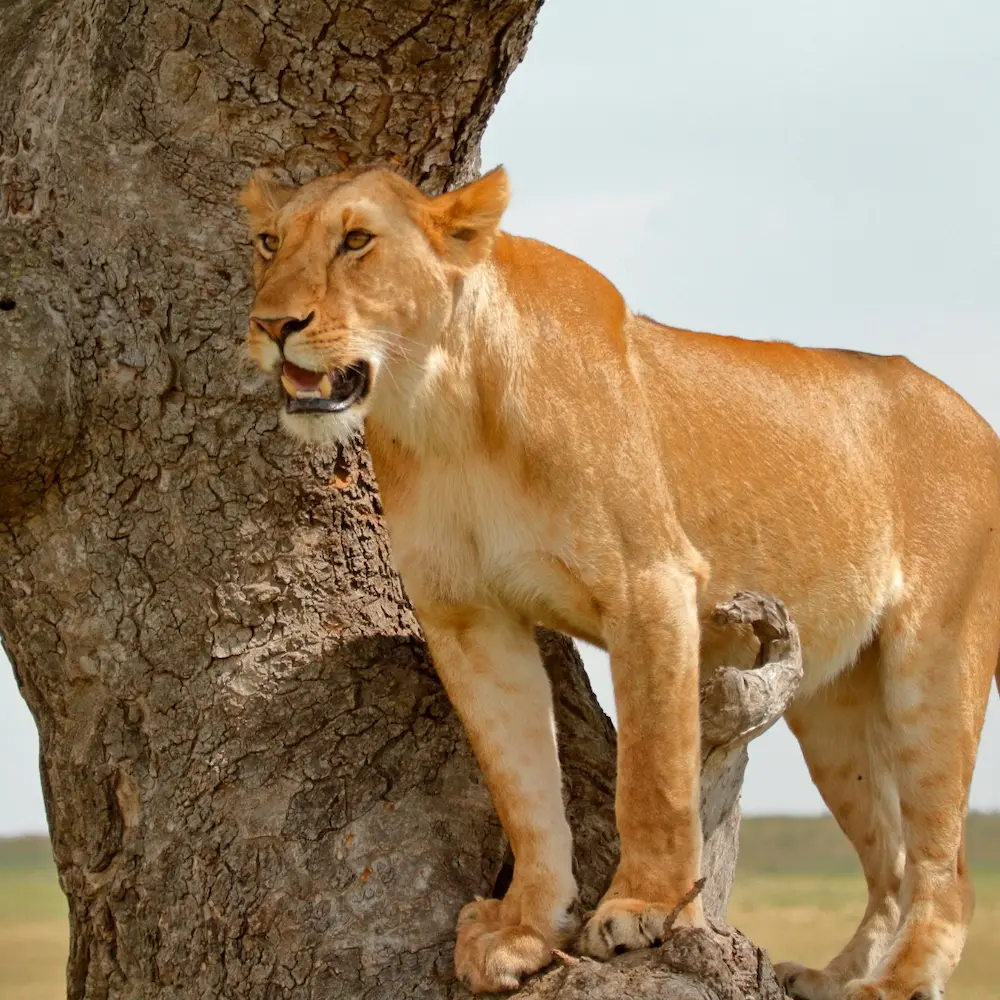
Open plains, acacia trees, lion prides, elephant herds and golden sunsets create the classic African safari atmosphere.
Luxury & Adventure
Kenya combines high-end safari lodges, conservancies, family travel, cultural experiences and adventure activities.
The Great Migration in Kenya
The Great Migration is one of the world’s most spectacular wildlife events and one of the biggest reasons travellers visit Kenya.
July to October
The migration usually reaches Kenya’s Maasai Mara between July and October, although timing changes slightly every year.
View Kenya Safaris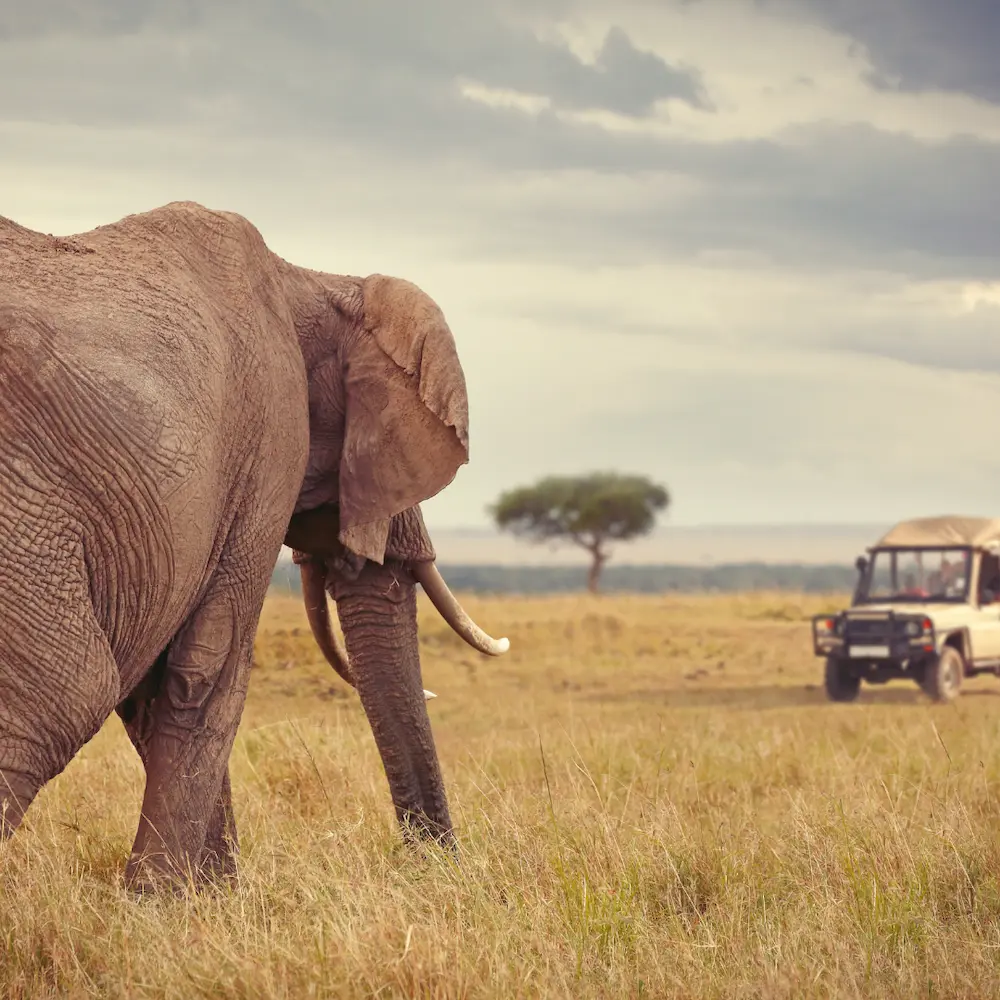
Mara River Crossings
River crossings are often most dramatic in late July and August when wildebeest attempt dangerous crossings filled with crocodiles.
Explore Maasai Mara
Luxury Safari Camps
Kenya offers exceptional luxury safari camps and conservancies with private guides, fly-in safaris and premium wildlife experiences.
Explore Luxury SafarisBest Safari Destinations in Kenya
Kenya offers a mix of famous wildlife reserves, private conservancies, mountain scenery and cultural experiences.
Maasai Mara
Kenya’s most famous safari destination, known for the Great Migration, predator sightings and classic safari landscapes.
Amboseli
Famous for elephant herds and dramatic views of Mount Kilimanjaro across open plains.
Samburu
A more remote and rugged safari region known for unique northern Kenya wildlife species and dramatic scenery.
Lake Nakuru
Known for rhinos, birdlife, scenic lake views and excellent game viewing close to Nairobi.
Kenya Safari Costs & Budget Planning
Kenya safari costs depend on accommodation level, travel season, flights, conservancy fees and whether you choose private or shared safari experiences.
Mid-Range Kenya Safaris
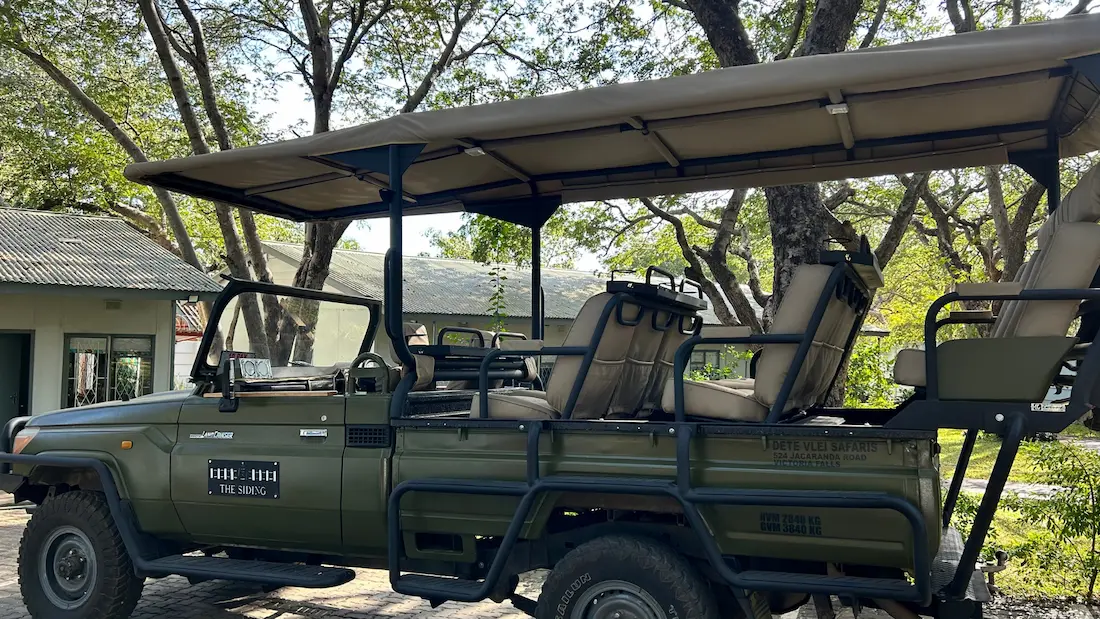
Mid-range safaris balance comfortable lodges, excellent guiding and strong wildlife experiences while keeping budgets more manageable.
Kenya Safari Packages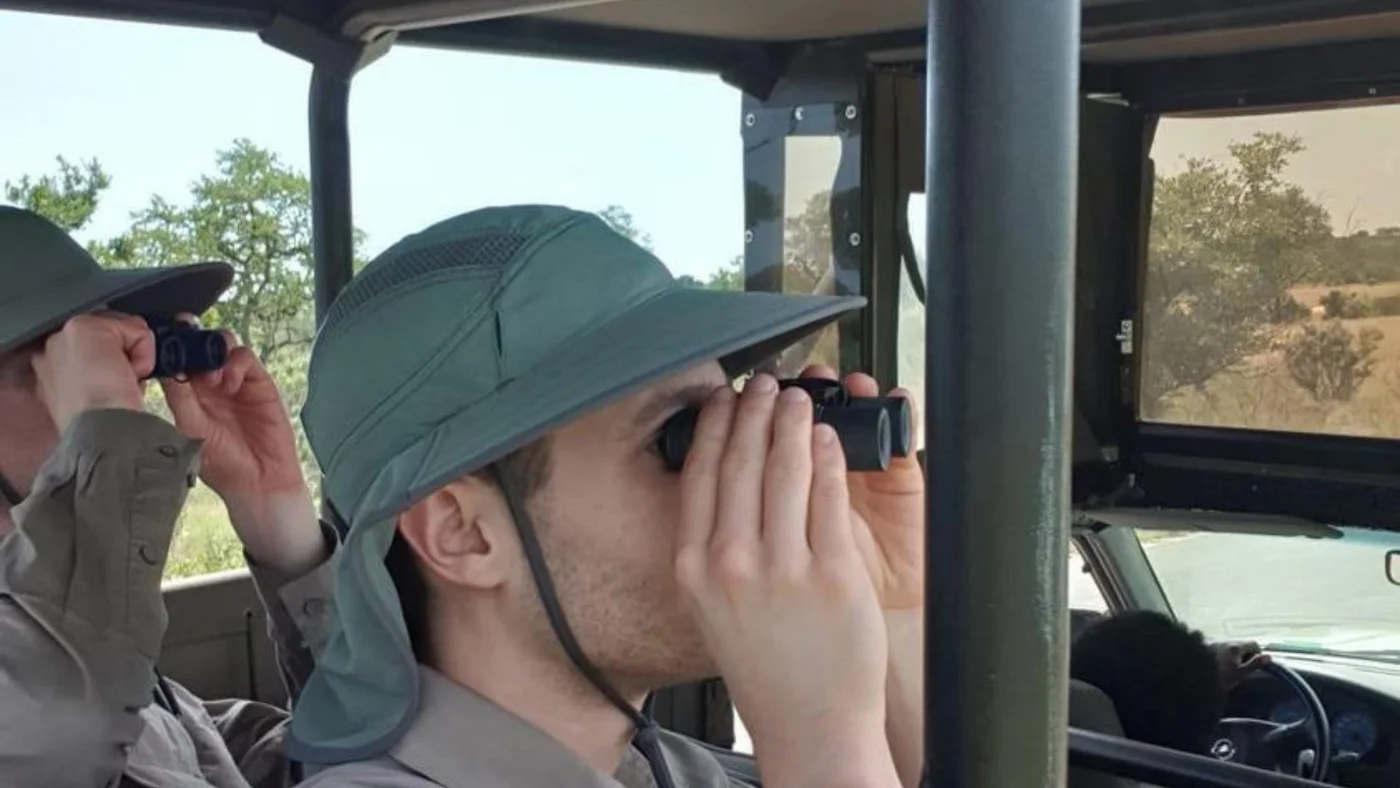
Luxury Kenya Safaris
Luxury Kenya safaris may include private conservancies, fly-in transfers, premium tented camps and private safari vehicles.
Luxury Safari Ideas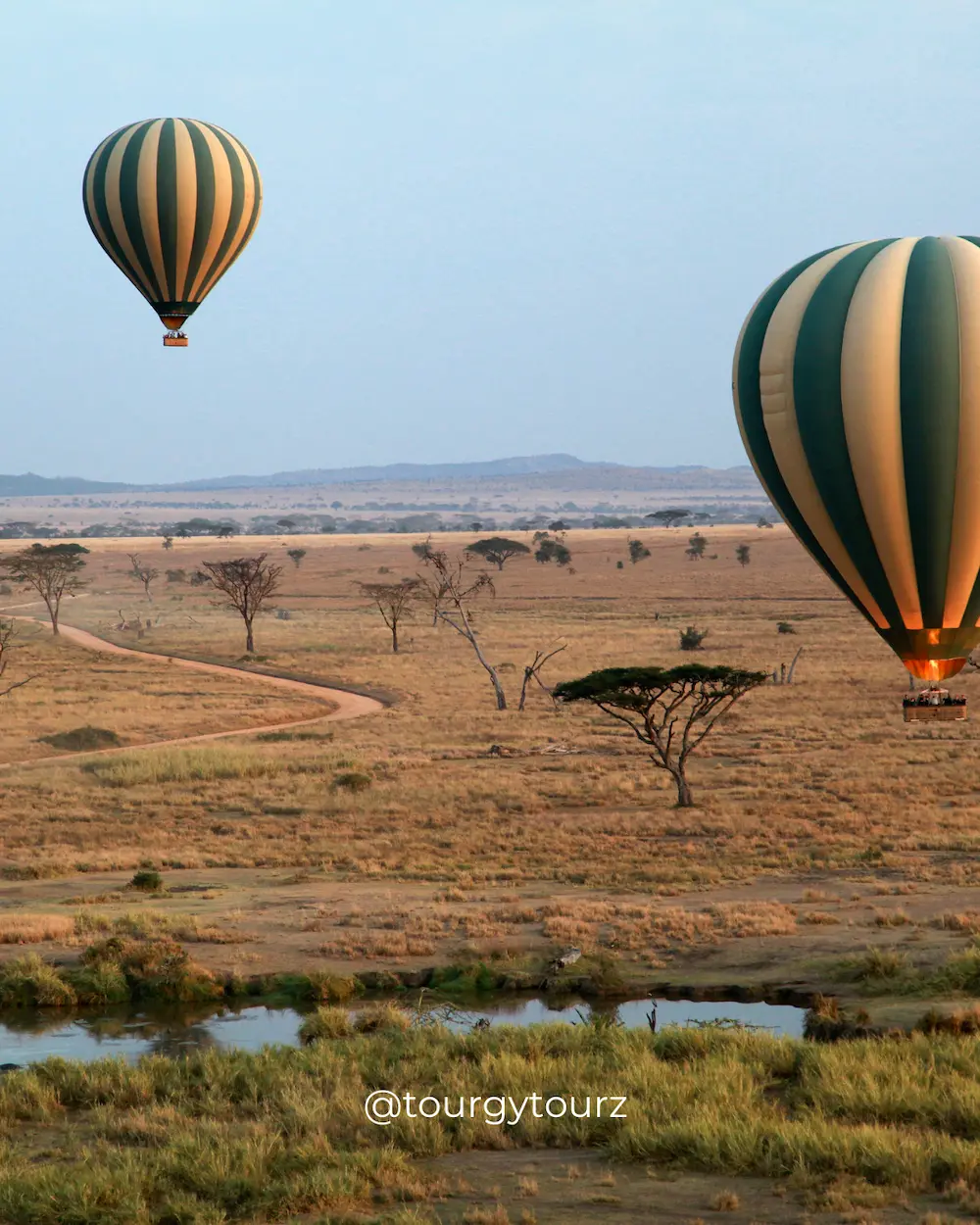
Best Value Seasons
Travelling outside peak migration season can often reduce costs while still offering excellent safari experiences.
Best Time GuideKenya Family Safaris & Honeymoons
Kenya works beautifully for families, couples, honeymooners and first-time safari travellers.
Family Friendly
Kenya has excellent family safari lodges, educational wildlife experiences and flexible safari pacing for children.
Honeymoon Safaris
Luxury tented camps, hot-air balloon safaris and beach extensions make Kenya ideal for honeymoon safaris.
Safari & Beach
Combine Kenya wildlife with Zanzibar holidays or Indian Ocean beach escapes.
East Africa Combinations
Combine Kenya with Tanzania safaris, the Serengeti or Uganda gorilla trekking.
Kenya Safari Packing & Travel Tips
Good preparation helps travellers enjoy smoother safari experiences in Kenya and East Africa.
What To Pack
Neutral safari clothing, comfortable walking shoes, sunscreen, binoculars, hats and lightweight layers work well for most Kenya safaris.
Internal Flights
Fly-in safaris save driving time and are popular for luxury travellers combining multiple safari regions.
Photography
Kenya offers excellent wildlife photography opportunities with open plains, predator sightings and dramatic migration moments.
Travel Seasons
Dry seasons often provide easier wildlife viewing while green seasons offer lush landscapes and fewer vehicles.
Kenya Safari FAQ
Quick answers for travellers planning Kenya safaris, migration trips and East Africa combinations.
When is the best time to visit Kenya?
July to October is popular for the Great Migration in the Maasai Mara, but Kenya offers strong wildlife viewing throughout the year.
Is Kenya good for first-time safari travellers?
Yes. Kenya is one of Africa’s best safari destinations for first-time visitors because of its wildlife density, safari infrastructure and experienced guides.
Can I combine Kenya and Tanzania?
Yes. Kenya and Tanzania combine extremely well for travellers who want the Maasai Mara, Serengeti and Ngorongoro Crater in one safari journey.
Can Kenya safaris be combined with beach holidays?
Absolutely. Kenya safaris are commonly combined with Zanzibar holidays and Indian Ocean beach destinations.
Plan Kenya Safaris With East Africa Extensions
Kenya is one of Africa’s strongest safari destinations for wildlife, migration experiences and luxury travel. Many travellers start with Kenya safari packages before combining their journey with Tanzania safaris, the Serengeti, Uganda gorilla trekking or Zanzibar beach holidays.
Kenya also connects strongly with East Africa safaris, honeymoon safaris, family safari destinations, safari and beach holidays and wider African safari packages.