Serengeti Migration Safari Guide
Plan your Serengeti migration safari around river crossings, calving season, Ndutu, Northern Serengeti, Central Serengeti, Ngorongoro Crater and Zanzibar beach extensions.
Plan the Great Migration by Season, Region and Safari Style
The Serengeti migration is not one fixed event. It is a year-round movement of wildebeest, zebra and gazelle across the Serengeti-Mara ecosystem, shaped by rain, grazing and survival.
River Crossings
Northern Serengeti is the classic migration region for Mara River crossing season, usually between July and September.
Calving Season
Southern Serengeti and Ndutu are popular from late January to February for newborn wildebeest and predator action.
Central Serengeti
Central Serengeti and Seronera Valley are strong year-round safari areas with reliable predators and resident wildlife.
Serengeti Migration Calendar
Use this as a practical planning guide. Migration movement is natural and can shift with rainfall, so exact timing is never guaranteed.
January to March
Southern Serengeti and Ndutu are best known for calving season, newborn wildebeest and strong predator activity.
April to June
The herds begin moving through central and western Serengeti regions as they follow fresh grazing and seasonal rain.
July to September
Northern Serengeti becomes the main stage for Mara River crossing-focused safaris and peak migration drama.
October to December
The herds begin moving south again as short rains refresh the plains and the migration cycle prepares to start again.
Mara River Crossings in Northern Serengeti
River crossings are the most famous migration moment, but they are natural events that require patience, good positioning and the right seasonal planning.
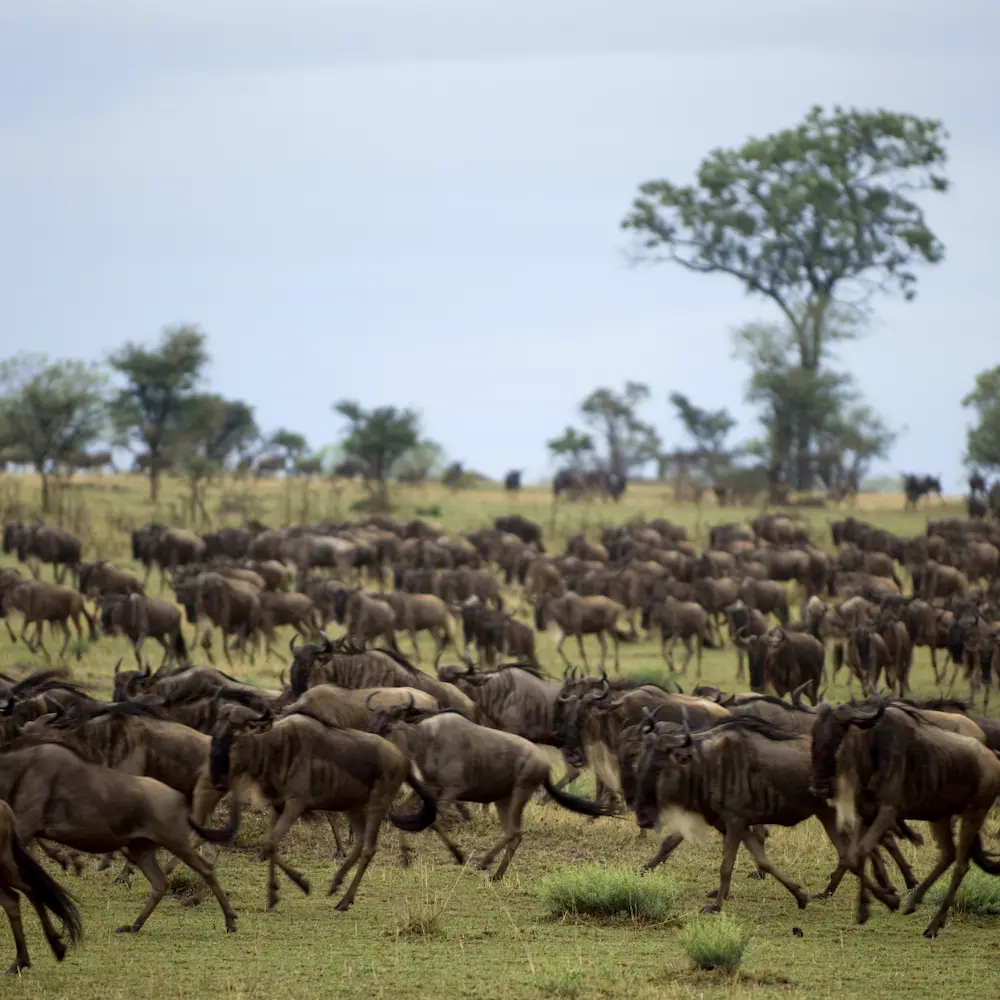
July to September
Northern Serengeti is the key region for travellers hoping to witness dramatic Mara River crossing movement.
Best Time Guide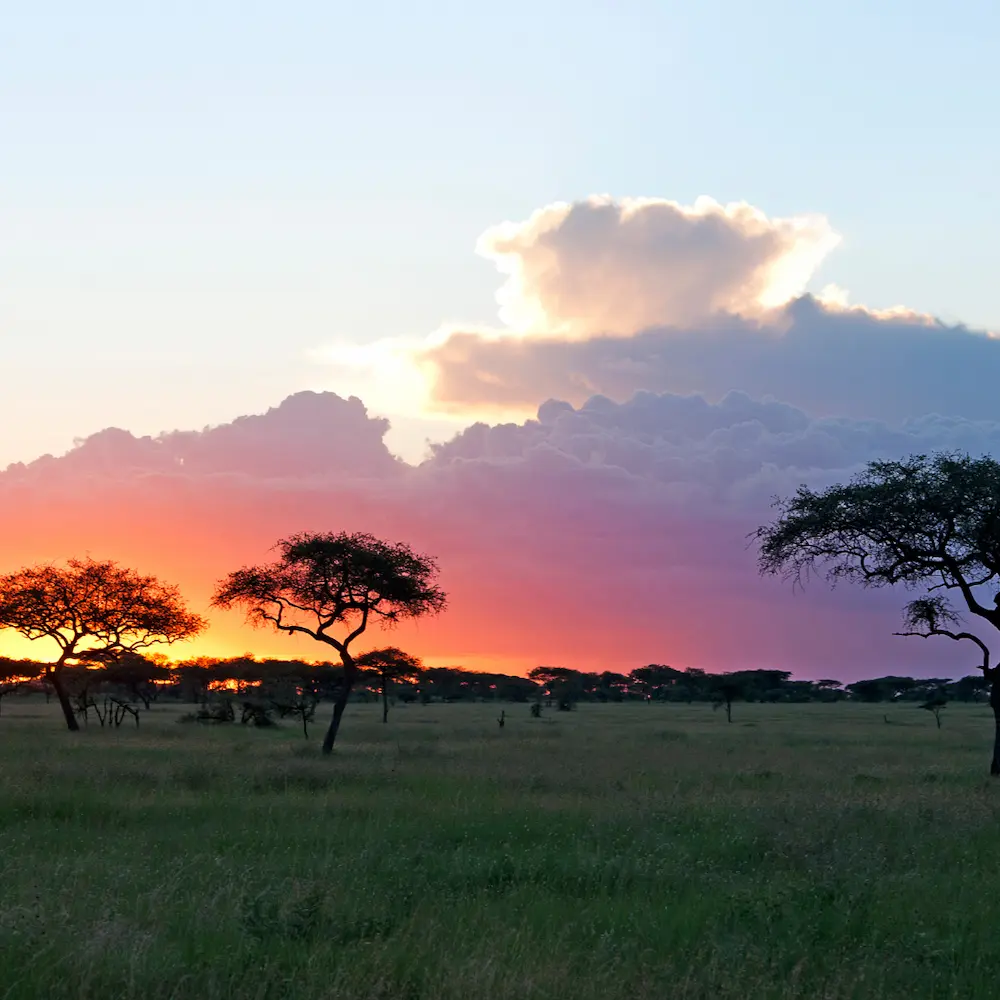
Northern Serengeti
This region feels more remote and is excellent for migration-focused safari planning during the dry season.
Serengeti Guide
Flexible Game Drives
A private guide gives more flexibility to wait near crossings, follow sightings and adjust the safari pace.
Plan Tanzania SafariCalving Season in Southern Serengeti & Ndutu
Calving season is one of the most emotional and dramatic migration periods, with newborn wildebeest, predator activity and beautiful green-season scenery.
Late January to February
This is the classic calving window in the Southern Serengeti and Ndutu region, although exact timing depends on rains.
Predator Activity
Lions, cheetahs, leopards and hyenas follow the herds, creating powerful wildlife interactions.
Green Season Beauty
The landscape is often greener and softer, giving photographers a different Serengeti mood from dry-season safaris.
Ndutu Camps
Seasonal camps around Ndutu can place travellers closer to the calving action during the right months.
Combine Serengeti Migration With Ngorongoro Crater
A strong Tanzania safari often includes both the Serengeti and Ngorongoro Crater because each destination gives a very different wildlife experience.
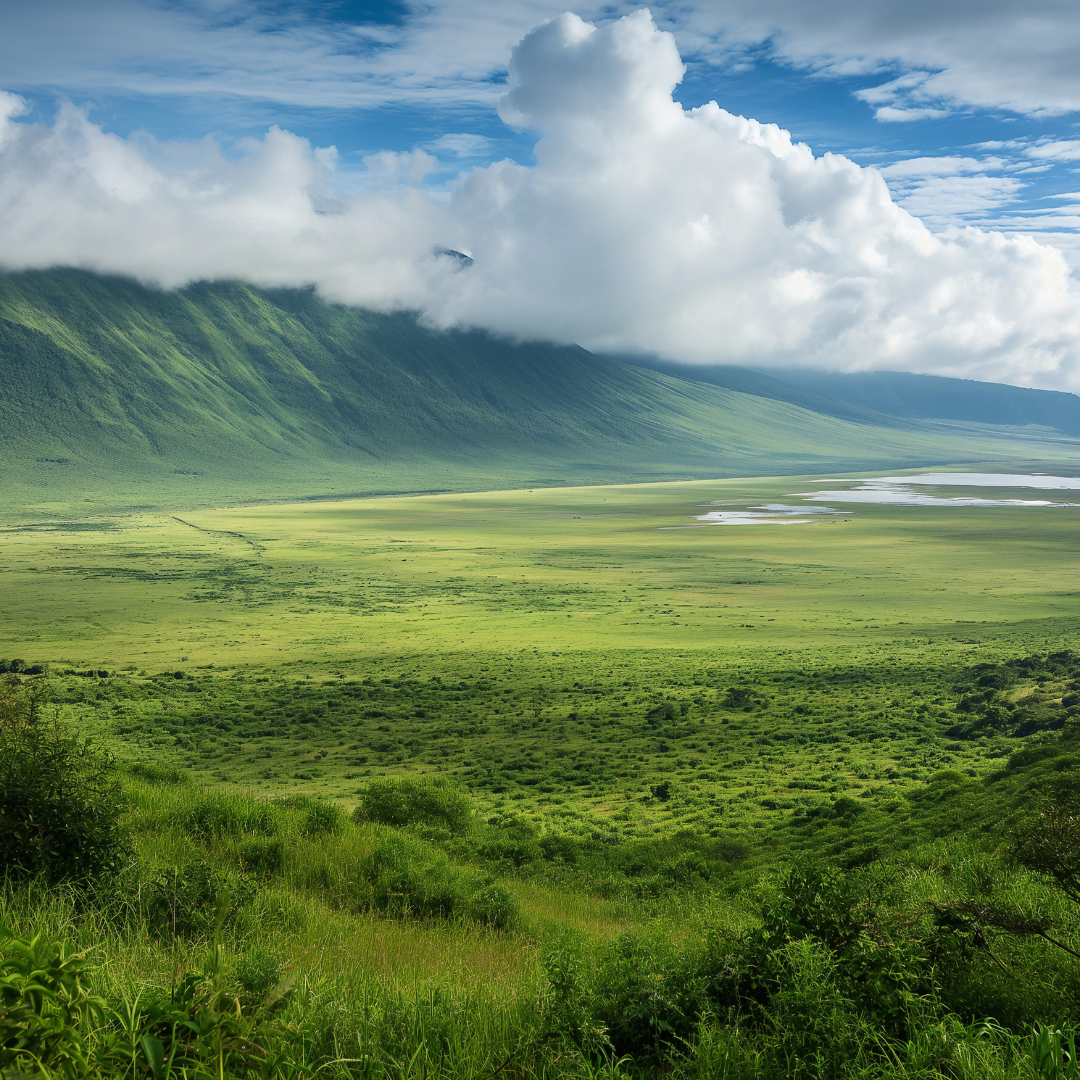
Ngorongoro Crater
A compact, wildlife-rich safari setting with dramatic scenery and excellent chances for Big Five sightings.
View Ngorongoro Guide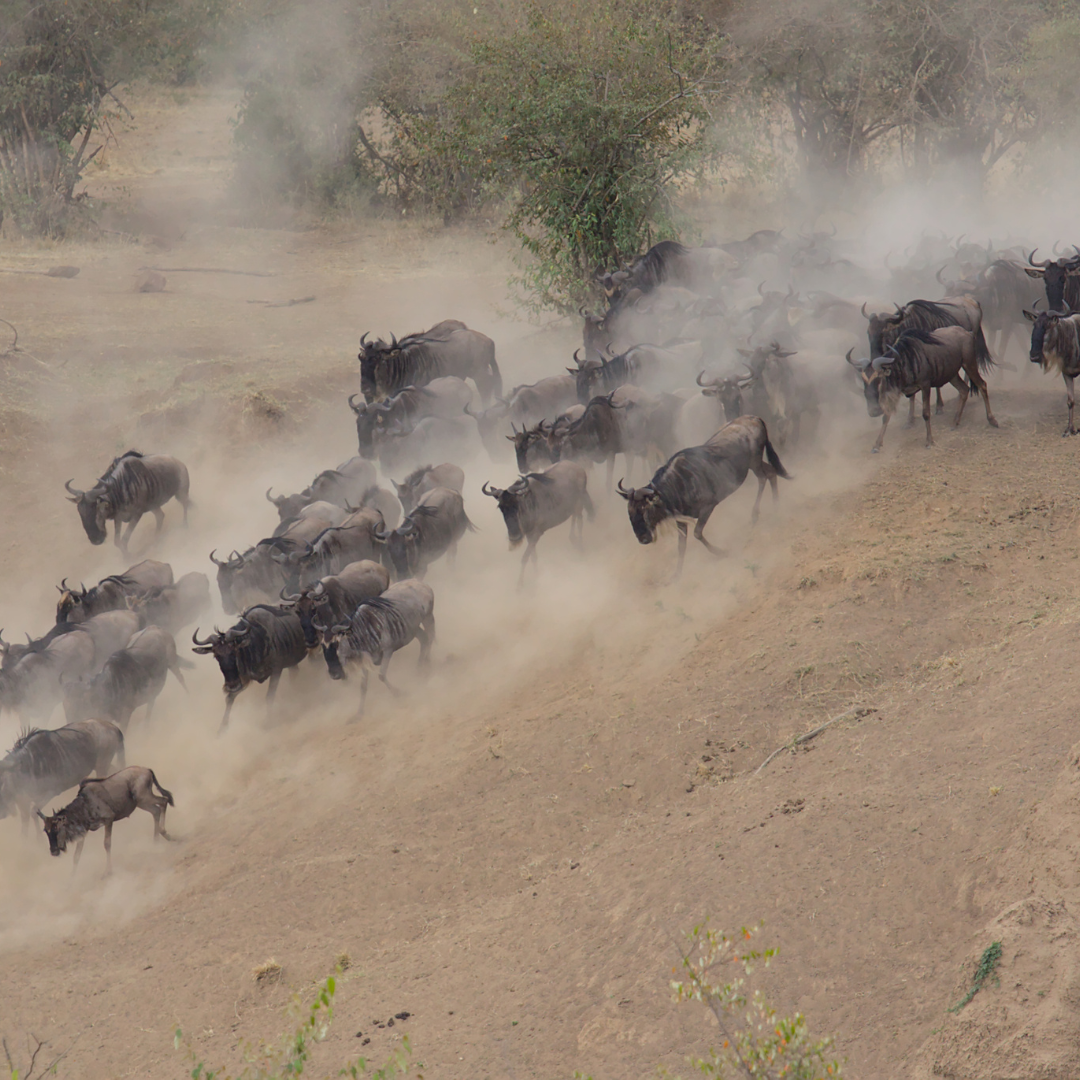
Serengeti + Ngorongoro
Combine Serengeti migration routes with crater wildlife for one of Tanzania’s strongest safari itineraries.
Tanzania Safaris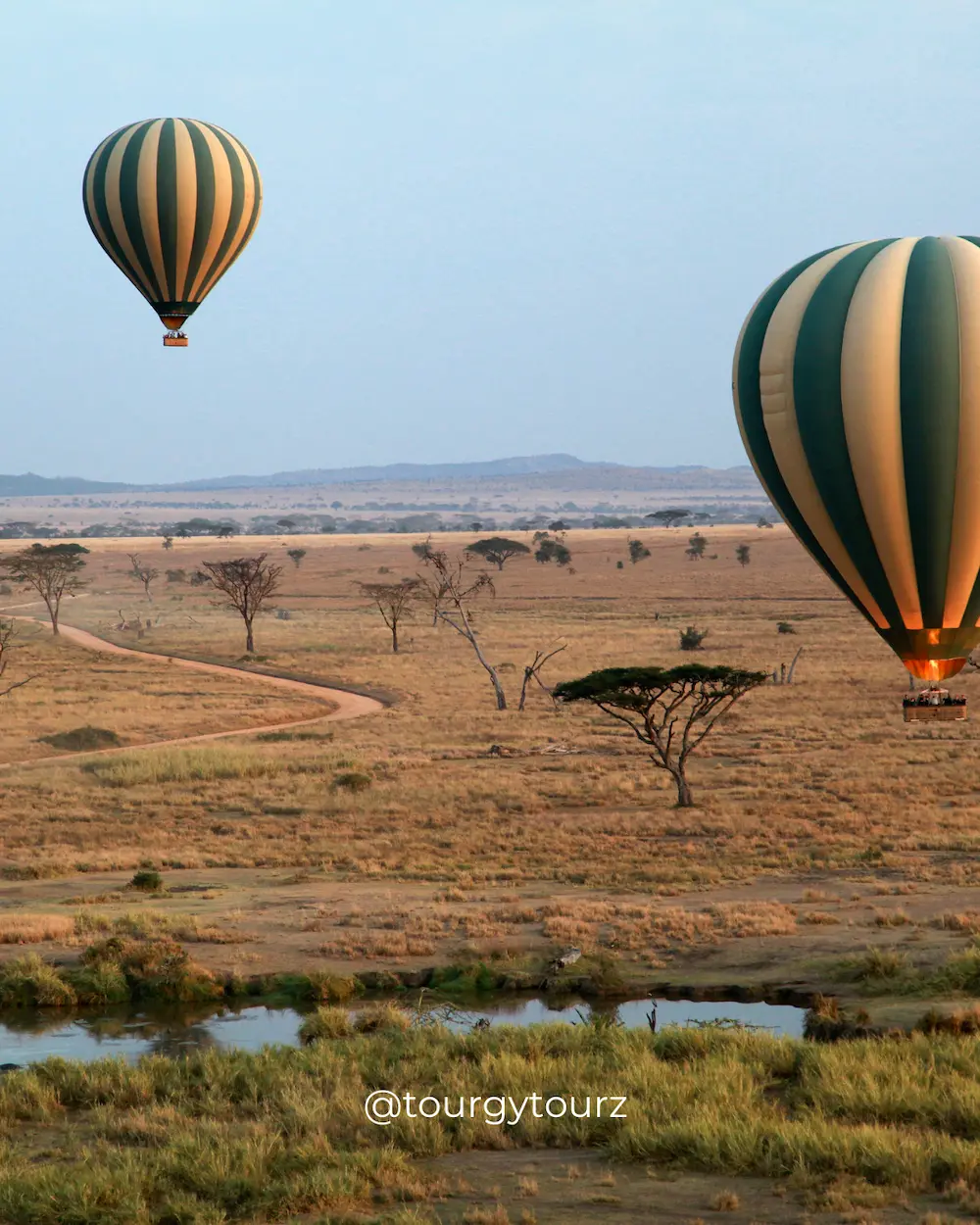
Balloon Safari
Add a sunrise hot-air balloon safari for a premium Serengeti migration experience over the plains.
Luxury Safari IdeasHow to Plan a Serengeti Migration Safari
Good migration planning is about matching your travel month, camp region, safari style and budget level.
Choose the Right Region
Southern Serengeti and Ndutu are best for calving season. Northern Serengeti is best for river crossings. Central Serengeti is strong year-round.
Book Early for Peak Migration
Migration camps and well-positioned lodges sell out early, especially for river crossing months and high-demand calving dates.
Consider Fly-in Safaris
Fly-in safaris reduce long driving time and are ideal for travellers with limited days or those visiting remote Northern Serengeti.
Pack for Early Mornings
Game drives can start early. Bring neutral layers, sunscreen, a hat, binoculars, camera gear and soft-sided luggage for light aircraft.
Serengeti Migration Safari Combination Ideas
Serengeti migration safaris can become even stronger when combined with Tanzania, Kenya, Uganda or Zanzibar extensions.
Serengeti + Ngorongoro
Combine migration movement with crater wildlife using our Serengeti and Ngorongoro guide.
Serengeti + Zanzibar
Add Zanzibar beach holidays after your migration safari for a relaxed Indian Ocean ending.
Kenya + Serengeti
Combine the Masai Mara with Serengeti migration routes through Kenya safaris and Tanzania.
Serengeti + Uganda
Pair the Great Migration with Uganda gorilla trekking for a deeper East Africa journey.
Serengeti Migration FAQ
Quick answers for travellers planning river crossings, calving season and Tanzania migration safari routes.
When is the best time to see Serengeti river crossings?
The best time is usually July to September, when herds are in the Northern Serengeti and may cross the Mara River.
When is calving season in the Serengeti?
Calving season usually peaks from late January to February in the Southern Serengeti and Ndutu region.
Should I combine Ngorongoro with Serengeti?
Yes. Ngorongoro Crater and Serengeti National Park combine beautifully for a strong Tanzania safari itinerary.
Can I add Zanzibar after a migration safari?
Yes. Zanzibar is one of the best beach extensions after a Serengeti migration safari.
Plan a Serengeti Migration Safari With Tanzania and East Africa Extensions
A Serengeti migration safari is one of the strongest reasons to visit Tanzania. Travellers can plan around river crossings, calving season, Central Serengeti, Northern Serengeti and Ngorongoro Crater before adding Zanzibar for a safari and beach holiday.
Serengeti migration routes also connect naturally with Kenya safaris, Uganda gorilla safaris, East Africa safaris, honeymoon safaris and wider African safari packages.